





Scope 3 carbon emissions
Contents |
[edit] Scope in terms of carbon emissions
The Green House Gas Protocol Corporate Standard classifies GHG emissions into three ‘scopes’.
Scope 1 emissions are direct emissions from owned or controlled sources. Scope 2 emissions are indirect emissions from the generation of purchased energy. Scope 3 emissions are all indirect emissions (not included in scope 2) that occur in the value chain of the reporting company, including both upstream and downstream emission
[edit] What are scope 3 site emissions ?
Scope 3 emissions are all other indirect emissions, for example emissions related to products purchased and used on a buildings, or anything related to the building along the suplly chain. These are emissions relating to activities or assets not owned or controlled by the project or company, but ones for which it is indirectly responsible for. So all of the material components that go together to make the building, have associated emissions relating to their production, manufacture, distribution, use, re-use or disposal.
These will differ if measuring the scope 2 emissions from a construction site itself, measuring emissions from the building (once complete and being occupied) or from the company involved in the project.
Scope 3 emissions differ from scope 2, in that they are a consequence of the activities and from sources not owned or controlled by the project or company, whereas scope 2 emissions are still indirect but have closer link in the suplly chain.
[edit] What are indirect emissions ?
The GHG Protocol defines indirect emissions as “a consequence of the activities from the reporting company but occur at sources owned or controlled by another company.” unlike direct emissions, so these include Scope 2 and Scope 3 emissions. but the protocol makes a clear distinction between the two categories.
[edit] Related articles on Designing Buildings
- Carbon terminology.
- Greenhouse gases.
- ISO 14001:2004 Environmental management system -- Requirements with guidance for use.
- Life cycle assessment.
- PAS 2060.
- PAS 2080 Carbon management in Infrastructure.
- Scope 2 carbon emissions.
- Scope 1 carbon emissions.
- The Carbon Project: improving carbon emission data.
[edit] External links
Featured articles
Check out some of the best features and news from Designing Buildings as well as key stories from around the web.
Why construction can't afford to ignore the skills gap.
Building Safety Regulator, 19 August

Gill Kernick appointed Independent Chair of Residents’ Panel.
Connecting knowledge, technology and conservation
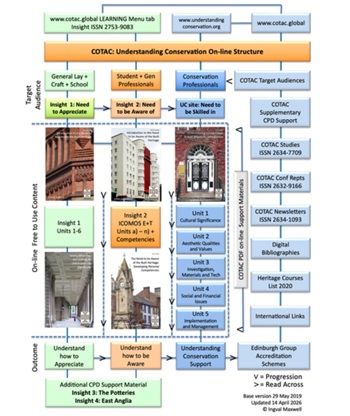
Building competence for the future of built heritage.
Building Regulations and Building Safety Act
CIOB publishes free advice for non-domestic clients.

Building Safety Newsletter from MHCLG.
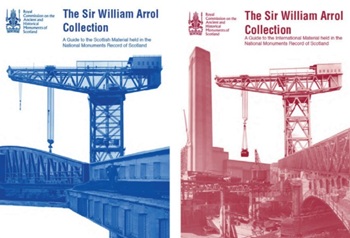
An extraordinary record of steel engineering worldwide.
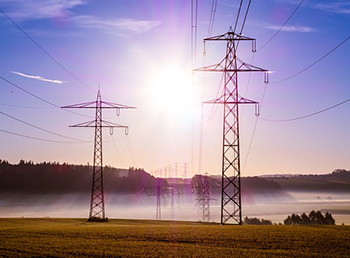
Households living near new pylons to save on bills.

ECA warns growth must not outpace grid capacity or skills.
The role of the client and decision making

CIOB response to built environment professions call for evidence.
Construction's sustainability reporting revolution
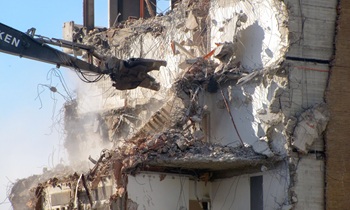
Tracking upfront embodied carbon with digital tools.
ECA welcomes procurement reforms
Public spending must back British jobs and skills.
Campaigning for Edinburgh: the Cockburn Association 1875-2049

The role of the civic voice in protecting character. Book review.